Ornament Indian Decoration Pattern Review
A First Glance at Ornament Indian Decoration Pattern
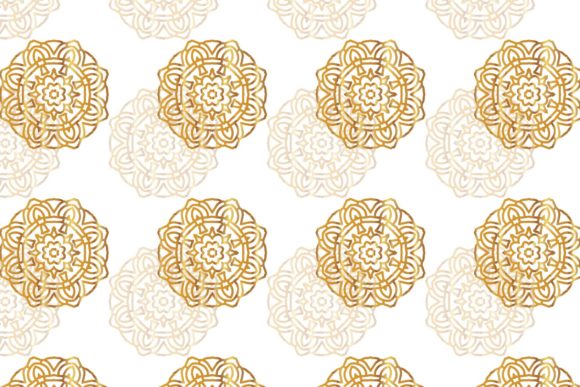
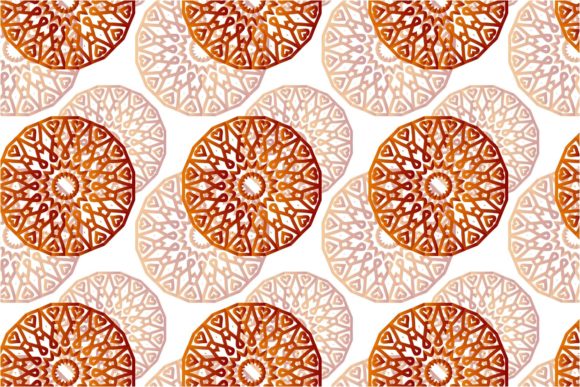
When I first opened the Ornament Indian Decoration Pattern, I was immediately drawn to its intricate details and rich visual storytelling. This mandala-inspired design carries a sense of tradition and elegance, with flowing lines and symmetrical elements that evoke the spirit of Indian art. It feels both timeless and versatile, which makes it an appealing choice for a wide range of embroidery projects.
The layout is well-balanced, with a central focal point surrounded by layers of geometric and floral motifs. The level of detail is impressive—each element is carefully crafted to add depth without overwhelming the overall composition. This kind of design naturally belongs in handmade products like embroidered patches, tote bags, or even baby clothing where cultural flair and artistry are valued.
Real-Life Embroidery Use: Custom Tote Bag Scenario
Let’s imagine using this design on a custom embroidered tote bag. As a designer, I would start by considering how the Ornament Indian Decoration Pattern would translate from digital to fabric. The mandala theme could be a striking centerpiece, especially if placed near the top or bottom of the bag. Its complexity works well on larger surfaces, but I’d need to ensure the stitch density doesn’t make the design feel too busy or dense.
I’d also think about the thread colors. Since the pattern is black and white in the provided files, testing it with different color palettes would help determine how it might look on various fabrics. A soft pastel palette could give it a more modern, bohemian vibe, while metallic threads might enhance its traditional appeal.
For a tote bag, using a stabilizer is crucial. Without proper support, the fabric might pucker or stretch, especially around the more detailed sections of the mandala. I’d recommend using a tear-away stabilizer for lightweight cotton or a cut-away one for heavier materials.
Performance in Real Projects
The Ornament Indian Decoration Pattern shines in projects that allow it to breathe. On large items like aprons, pillow covers, or even blankets, the design has room to unfold and capture attention. It's also a great fit for custom apparel such as sweatshirts or t-shirts, particularly when placed on the back or sleeve area. The mandala’s symmetry ensures it looks balanced regardless of placement.
However, there are some limitations. For smaller hoop sizes, parts of the design may get cut off or appear cramped. I'd suggest scaling it down carefully or selecting a section of the mandala for smaller projects like embroidered patches or caps. Additionally, on stretchy or thin fabrics, the fine details might not hold up well, so pre-washing and using a good stabilizer become essential.
On dark fabrics, the contrast between the design and the background is key. While the original files are in black and white, experimenting with colored threads can make the pattern pop. This adaptability makes it suitable for a variety of handmade products and small shop merchandise.
Design Considerations for Different Applications
If you're an Etsy seller or running a craft business, this design could work well as a standalone product or as part of a collection. It adds value to personalized gifts and holiday embroidery items, especially when paired with complementary textures or patterns.
For commercial embroidery, the Ornament Indian Decoration Pattern needs to be tested thoroughly. Stitch density, hoop size, and fabric compatibility all play a role in ensuring the final product meets quality expectations. If you plan to use it on layered garments or curved surfaces like caps, consider simplifying the design or adjusting the layout for better visibility.
As a digital product seller, including a printable mockup with this design could help potential buyers visualize how it would look on their desired item. This can increase buyer engagement and confidence in the finished product.
Practical Embroidery Designer Notes
Before using the Ornament Indian Decoration Pattern in any project, I always recommend testing it on scrap fabric first. This helps identify any issues with stitch density, thread flow, or detail clarity. Checking the thread color contrast against different backgrounds is also important to ensure the design remains visually appealing across various applications.
Reviewing the stitch density is another key step. Too much detail can lead to a stiff or bulky finish, while too little might make the design feel flat. Confirming the hoop size needed for the full design will prevent unnecessary resizing or cropping.
Finally, always check the licensing terms before selling finished items or digital product assets. Ensuring proper rights to use the design commercially is essential for any craft business owner or small shop product creator.
The Ornament Indian Decoration Pattern offers a beautiful blend of tradition and versatility, making it a solid choice for many embroidery projects. Whether you're creating personalized gifts, handmade products, or small shop merchandise, this design brings a unique touch that can elevate your work and attract a wider audience.